CHEBOYGAN COUNTY, Mich. (Michigan News Source) – In Cheboygan County, frustration over the 2026 planned removal of the Roberts Lake dam has boiled over into accusations of bureaucratic sleight of hand, stonewalling, and what residents say is a quiet attempt to erase public input before anyone notices.
Roberts Lake isn’t just another body of water on a map according to the people who love and use the area it sits in. Alison Studer, an advocate for saving the dam and the lake, told Michigan News Source that the area is a place where the world’s problems melt away and she is lifted into “another dimension of beauty beyond imagination. Here, more than anywhere else, I felt close to the Creator, in a place still, and untouched by the destructive hands of man.”

MORE NEWS: Homebuyers Get Relief as Rates Dip to Lowest Point Since 2022
The dam, built in 1948, is reportedly named after a World War II veteran and home to loons, stocked game fish, and is a gathering place for generations of Michigan kids who learned to cast their first line from its shores.
But there’s a problem. Nearby residents say the Michigan Department of Natural Resources (DNR) and EGLE (Michigan Department of Environment, Great Lakes, and Energy) want the dam gone – fast – and without the inconvenience of public scrutiny. If that happens, residents say that Roberts Lake will be drained and there is a high chance that Cochran Lake will follow suit.
Notice by “portal”: blink and you miss it.
According to Studer and citizens involved in the Save Roberts and Cochran Lakes movement, EGLE never mailed a single hard-copy notice of the proposed dam removal to downstream property owners, despite legal requirements to do so. No newspaper notice. No library posting. No county bulletin board.
The defense? “It was on the EGLE portal.” A portal many community members didn’t even know existed. For residents, that’s little comfort – especially when direct notice could have triggered their right to request a public hearing, a step they believe agencies were eager to avoid.
Money for studies but not maintenance.
Residents are also questioning why $50,000 in grant money was spent on “assessments” to justify removal when they say the dam itself saw little to no maintenance for years. Even more eyebrow-raising: they say a deep, unpermitted ditch was excavated near the structure, allowing water to bypass the spillway and saturate the berm – potentially weakening the dam. Nobody seems to know who authorized it.
Meanwhile, citizens are now being told, as they work to save the dam, they must hire engineers, pay $30,000–$40,000 for core sampling, and submit permit applications themselves – even as officials contradict each other on whether those permits are required at all.
Running out the clock.
MORE NEWS: Michigan State Senator McBroom Steps In as Iron Mountain’s Deer Fate Hangs in the Balance
Opponents say the pattern is clear: delay communication, shift costs to citizens, and push the project forward until resistance collapses from exhaustion.
Dam advocate Randy Stewart posted on the Facebook page Save Roberts and Cochran Lakes that an attorney has been secured who “continues to make solid progress in building our case.”
Stewart goes on to say, “Our attorney is actively gathering important evidence through Freedom of Information Act (FOIA) requests directed to the Michigan Department of Environment, Great Lakes, and Energy (EGLE). In contrast, the Department of Natural Resources (DNR) is imposing thousands of dollars in fees for access to their records and documents. This practice prompts important questions: What might they be trying to conceal? Why should the public – the owners of these government agencies – face significant costs to access records that our taxes support?”
Stewart continues, “Despite these obstacles, the case is advancing steadily. Communication among all parties involved remains open, collaborative, and productive. We anticipate sharing more substantial updates on our progress after the holidays.”
To help offset attorney fees, the group has started a GiveSendGo fundraiser.
The bigger picture.
This isn’t the only dam Michigan is choosing to tear down rather than repair. According to a December 12 report from Bridge Michigan, there are thousands of Michigan’s dams that are over 50 years old and deemed unsafe. The state spent more than $50 million to repair, remove, or manage failing dams after the infamous Midland dam failures – but that funding is now gone. Meanwhile, weak safety laws give owners little incentive to keep them properly maintained. Community members who want to preserve existing dams say removal is often viewed by state officials as a faster, easier and less expensive option than long-term maintenance or repair.
According to a statement from the DNR in August, they plan on using $5 million in grant money from the National Fish and Wildlife Foundation’s America the Beautiful Challenge to remove 16-managed dams including the Roberts Lake Dam which they say is a “matter of public safety and long-term infrastructure planning.”
State cites safety concerns as justification for dam removal.
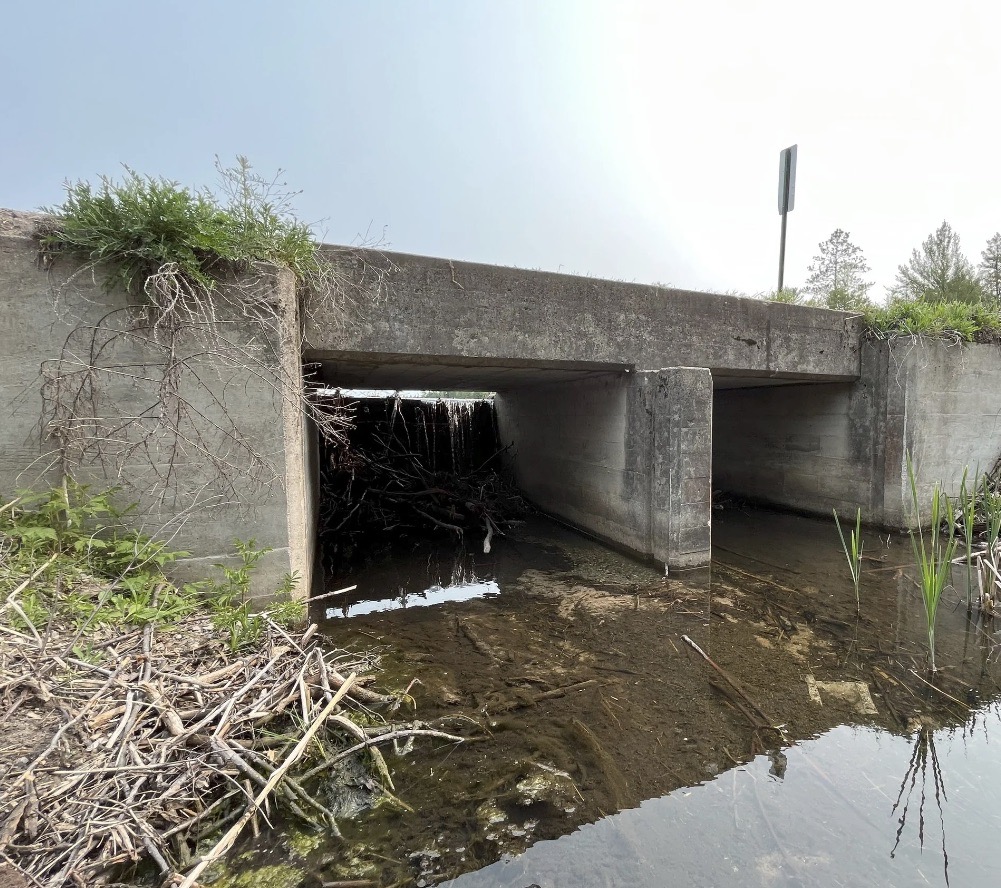
The DNR goes on to say that the dam will be removed and a “culvert meeting modern standards for this location will be installed. The last inspection of the dam showed that it was in poor condition. That, combined with debris accumulation, jeopardizes the road that goes over the dam and increases the risk of flooding. Historical maps and documents suggest that a wetland complex should remain after removal of this dam, which was constructed in the 1940s to raise water levels 2-3 feet. Roberts Lake will be lowered incrementally, using best management practices to protect downstream habitat. The drawdown will not affect Cochran Lake, upstream of this location.”
That 2020 inspection report on the dam states, “The Roberts Lake Dam is in poor overall condition. The spillway structure and embankments are in fair condition, however blockage of the principal spillway by beaver debris compromises the hydraulic capacity of the dam as described below, warranting an overall poor condition assessment for the dam.”
That assessment is now at the center of a broader debate over how the state evaluates aging dams – and what happens when local communities disagree with those conclusions. For the community trying to save Roberts Lake, it’s about stewardship, due process, and whether Michigan’s environmental agencies answer to the public – or just to their own timelines. For now, the loons are still nesting, the fish still biting, and the fight is far from over.